Guide
Tethered vs untethered EV chargers: which is right for you?
A tethered charger has a cable permanently attached to the wall unit. An untethered charger is just a socket, and you plug your own cable into it. Both charge at the same speed, so the decision comes down to how you use the car every day and where the cable can live.
The two types
What tethered and untethered actually mean
Tethered and untethered describe the cable, not the speed or the plug.
Attached cable
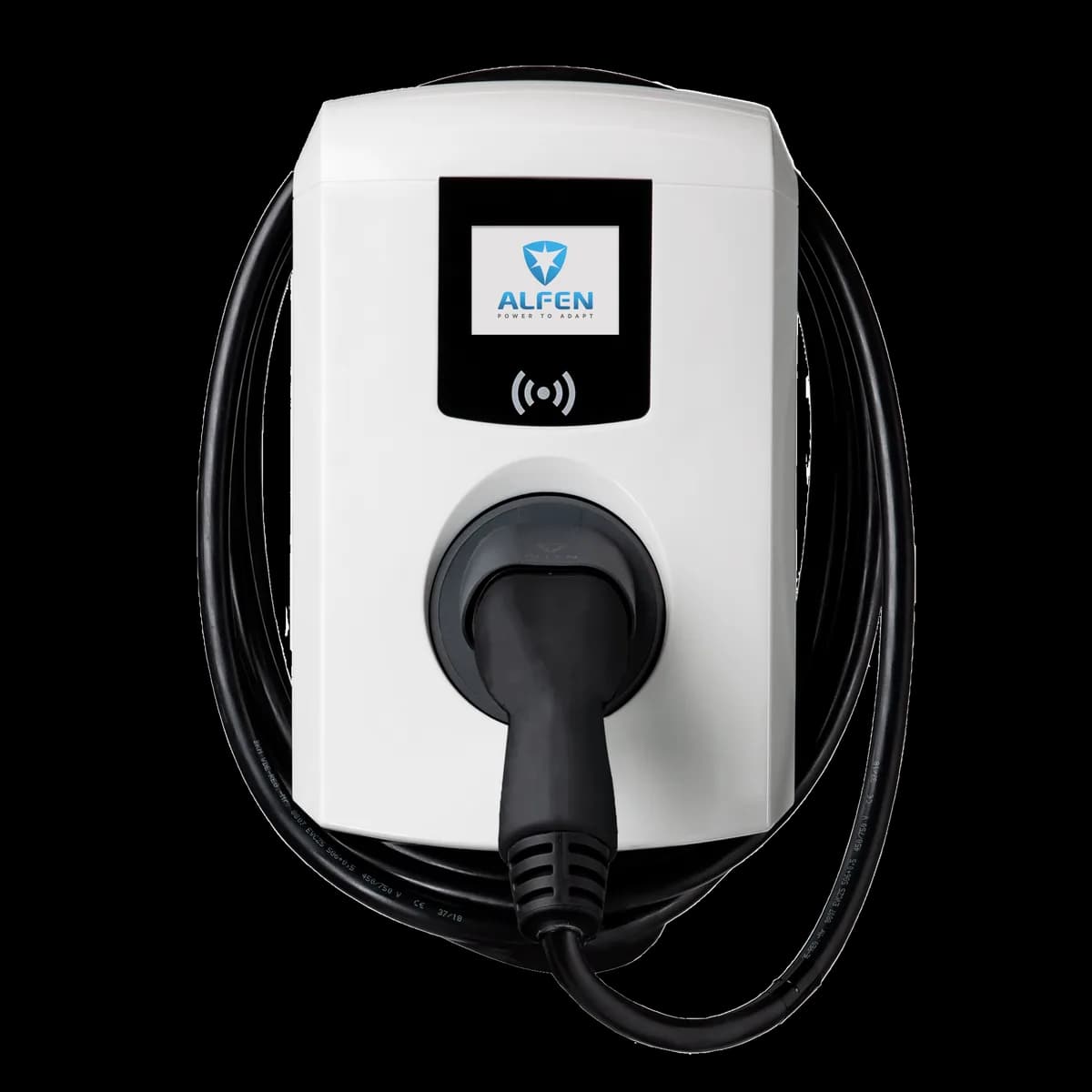
The lead stays with the wall unit.
Socket and separate cable
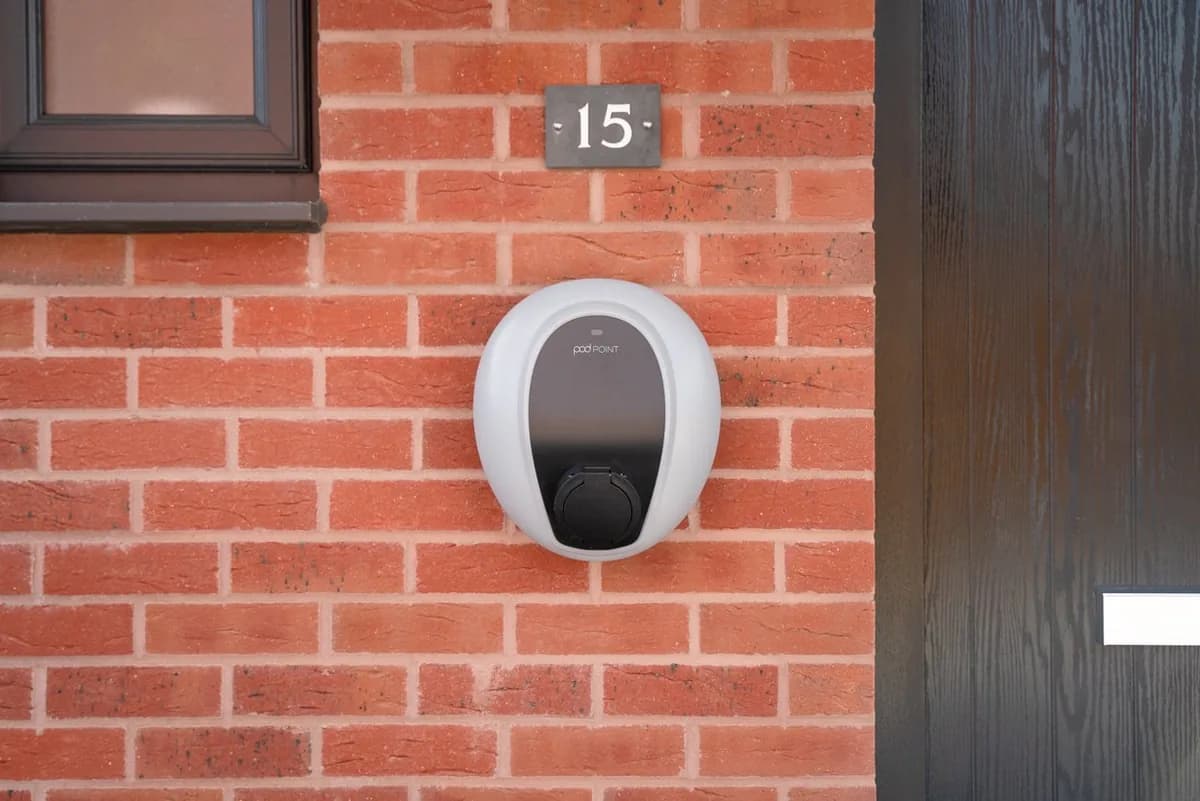
A removable lead plugs into the wall unit.
Every home charger has a wall unit fixed to a wall or a post, and it needs a cable to reach the car. The only real question is whether that cable is part of the unit or whether you carry it.
You may also see a third arrangement on older or imported cars: a cable plugged into the car permanently, with the socket end stored in the boot when not in use. That is separate from the charger question, and it is the car's choice, not yours.
Whichever you choose, the plug at the end of the cable matters more for compatibility than whether the cable is attached. Almost all electric cars sold in the UK use the same connector for home charging, which is explained in what a Type 2 connector is.
Day to day
What actually changes, week to week
Think about how often you charge and where you will store the cable.
Consider the moment you arrive home. With a tethered charger there is one step: take the plug and push it into the car. With an untethered charger there are three: find the cable, plug in, then decide where to put the loose end so it is not a trip hazard or in the way of a car door.
That extra step is why some people prefer tethered, and it is the main reason others do not. Two other things come up regularly.
Cable length, and where the car actually sits
This matters more than most buyers expect. Measure from the proposed charger position to the point nearest the car's inlet, then add a little slack for tidying. A cable that is too short means the car has to sit in an awkward position, which means the inlet stays exposed to weather. A cable that is much longer than needed is heavy and awkward to lift.
With an untethered charger, cable length is your problem to solve and you can solve it after the unit is fitted, by buying a different cable. With a tethered unit, the length is fixed at purchase, so it has to be right first time.
Already have an untethered Type 2 chargepoint and a car with a Type 2 inlet? EV Cable Shop has a collection of separate charging cables. Check the rating and the route from the chargepoint to the parked car; a longer charging lead does not replace required fixed electrical installation work.
View Type 2 charging cables* → at EV Cable Shop / EV King (opens in a new tab)Two cars, or a car and a second vehicle
If two electric cars share one charger, a tethered unit means there is always a cable at each car. An untethered unit means one cable moving between them, which is fine if you only ever charge one at a time and slightly irritating if both want a charge overnight.
Side by side
The two, compared
| Tethered charger | Untethered charger | |
|---|---|---|
| To start a charge | Pick up the cable and plug in | Find a cable, plug it in, put it away |
| Where the cable lives | Permanently attached to the wall unit | In the boot, the garage or on a hook |
| If the cable is lost or damaged | Replaced as part of the unit, or by the manufacturer | Buy a new cable |
| Two electric cars at home | A cable is already at the car | One cable moves between both cars |
| Appearance | A visible cable hanging from the wall | A tidier wall with just a socket |
| Charging speed | Whatever the unit and car support | Whatever the unit and car support |
Deciding
Which one fits your situation
There is no better type. There is a better fit.
Tethered tends to suit people who will charge the same car almost every night and want the fewest steps. Untethered tends to suit people with more than one vehicle, a shared or awkward parking arrangement, or a preference for a wall with nothing hanging off it.
Check the cable arrangement and length for the exact charger model. How to choose a home EV charger covers the rest of the decision in a sensible order.
Common myths
Three things people believe that are not true
“Tethered chargers are faster.”
The cable is not what limits speed. The charger's rated power, your car's onboard charger and your home's supply are. A 7 kW tethered unit and a 7 kW untethered unit do exactly the same thing.
“Untethered means basic or cheap.”
Tethered and untethered are sold across the whole range, at the same price points. Some of the most capable smart chargers on the market are untethered, and some tethered units have every scheduling feature you would want. Judge the model, not the cable.
“A tethered cable will not last outdoors.”
This is a fair worry but not a real differentiator, because any home charger sold in the UK has to meet the same installation standards. Rather than assume, check the product's stated rating and the installation requirements for the specific model, and ask the installer where they intend to mount the unit.
What this means for you
Before you choose a cable arrangement
Treat this as one decision among several, and an early one. It narrows the list of models to consider, but it is not the thing that decides whether a charger is right for your home.
- Measure the distance from your consumer unit to the car's inlet before choosing a cable length, and tell the installer the number.
- If you have two electric cars, favour tethered or plan for a second cable, because one cable cannot be in two places.
- Ignore speed when comparing the two types. Decide that separately, using the 7 kW and 22 kW guide.
Further reading
Sources
- Last reviewed
- Charging electric vehicles — Energy Saving Trust. Consumer guidance on home chargepoints and how to use them.
- Electric vehicle chargepoint and infrastructure specifications — Office for Zero Emission Vehicles, GOV.UK. The standards chargepoint installations must meet, including the connector requirements.
- Will a home charger work with your car? — EV Charger Help. How the plug, the car and the house each limit charging.
* Affiliate link: If you buy through a marked link, EV Charger Help may receive a commission. This doesn't affect what we recommend.